
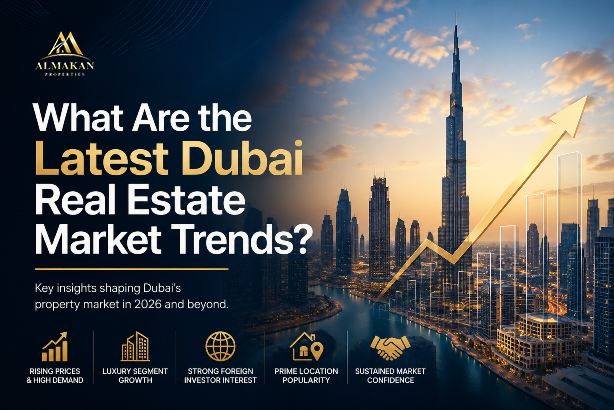
Dubai has become one of the world’s most attractive real estate destinations. Over the past few years, the city has experienced remarkable growth in residential, commercial, and luxury property markets. Whether you are a first-time buyer, an experienced investor, or someone looking for a second home, understanding the latest Dubai real estate market trends can help you make informed decisions.
Dubai offers a unique combination of tax-friendly policies, world-class infrastructure, modern communities, and a growing economy. These advantages continue to attract investors from Europe, Asia, the Middle East, and beyond. At the same time, government reforms and long-term residency options have strengthened confidence in the market.
Understanding Dubai’s Real Estate Market
Dubai’s property market includes residential apartments, villas, townhouses, commercial offices, retail spaces, warehouses, and luxury developments. Unlike many international markets, Dubai offers freehold ownership in designated areas, allowing foreign nationals to purchase and fully own property.
The market is supported by:
- Strong population growth
- Increasing tourism
- Expanding business opportunities
- Government investment in infrastructure
- High demand from international buyers
Why Does Dubai Continue to Attract Global Investors?
Dubai remains a preferred investment destination because it combines lifestyle, security, and financial opportunities. Some of the biggest advantages include the following:
1. High Rental Returns
Compared to many major cities worldwide, Dubai offers attractive rental yields. Investors often enjoy better returns than they would in markets such as London, New York, or Singapore.
2. Tax Benefits
Dubai has no annual property tax for most residential properties, allowing investors to keep a larger share of their rental income.
3. Stable Economy
The UAE continues to diversify its economy through technology, tourism, finance, logistics, and renewable energy, reducing dependence on oil revenues.
4. World-Class Infrastructure
Dubai’s modern roads, airports, metro system, healthcare facilities, schools, and entertainment attractions make it an appealing place to live and work.
5. Safe Environment
Dubai consistently ranks among the safest cities globally, making it attractive to families, professionals, and retirees.
Latest Dubai Real Estate Market Trends in 2026
Several important trends are influencing the market today.
Strong Demand for Residential Properties
Population growth and increasing numbers of skilled professionals continue to boost demand for homes.
Buyers are particularly interested in:
- Family villas
- Waterfront apartments
- Townhouses
- Smart homes
- Gated communities
Growth of Off-Plan Projects
Off-plan properties remain one of the strongest trends.
Many investors choose off-plan developments because they offer:
- Lower initial investment
- Flexible installment plans
- Potential capital appreciation
- Brand-new modern designs
- Attractive developer incentives
Luxury Property Market Continues to Expand
Dubai has become a global hub for luxury real estate.
High-net-worth individuals are purchasing:
- Beachfront villas
- Branded residences
- Waterfront penthouses
- Golf community homes
- Ultra-luxury mansions
Rental Market Remains Strong
Rental demand has increased because of:
- Population growth
- Corporate relocation
- Digital nomads
- Expanding business sectors
- Tourism
Factors Driving Dubai’s Property Market Growth
Dubai’s real estate market continues to perform well because several economic, social, and government-related factors work together. Understanding these drivers can help investors identify long-term opportunities rather than focusing only on short-term price movements.
1. Population Growth
Dubai’s population continues to grow as professionals, entrepreneurs, and skilled workers move to the city for career opportunities and a high quality of life. As more people settle in Dubai, the demand for housing naturally increases. This creates opportunities for both property sales and rental investments. The growing population also encourages developers to build new communities with schools, healthcare facilities, parks, shopping centers, and public transport.
2. Strong Tourism Industry
Dubai welcomes millions of visitors every year. Tourism supports hotels, serviced apartments, holiday homes, restaurants, retail businesses, and entertainment venues. Many investors purchase apartments specifically for short-term rentals, especially in tourist-friendly locations. Short-term rental demand can provide attractive returns when properties are managed effectively.
3. Business-Friendly Environment
Dubai has established itself as a leading international business hub. Companies from around the world continue to open regional headquarters. As businesses grow, employees require residential properties close to commercial districts, increasing demand across multiple communities.
4. Infrastructure Development
One reason Dubai’s property market continues to attract investors is its commitment to infrastructure development.
Major investments include:
- Metro expansion
- New highways
- Smart city projects
- Parks and recreational facilities
- Healthcare centers
- International schools
- Shopping destinations
Government Initiatives Supporting Real Estate Investment
Government policies have played an important role in strengthening investor confidence.
1. Long-Term Residency Programs
The introduction of long-term residency options has encouraged many professionals, entrepreneurs, and investors to make Dubai their permanent home.
These initiatives provide greater stability and encourage long-term property ownership rather than short-term speculation.
2. Foreign Ownership Opportunities
Foreign buyers can own property in designated freehold areas, giving international investors confidence when purchasing real estate.
This has significantly expanded Dubai’s global buyer base over the past decade.
3. Transparent Property Regulations
Dubai has developed a well-regulated property market with clear legal processes.
Buyers benefit from:
- Property registration systems
- Escrow account regulations
- Licensed developers
- Professional brokerage standards
These measures help improve transparency and reduce investment risks.
4. Commercial Real Estate Trends
Residential properties receive much attention, but Dubai’s commercial real estate sector is also experiencing positive growth.
Businesses continue expanding, increasing demand for the following:
- Office spaces
- Retail shops
- Warehouses
- Logistics facilities
- Industrial units
- Co-working spaces
Flexible office solutions are becoming increasingly popular among startups and international companies establishing operations in Dubai.
5. Warehouse and Industrial Growth
The growth of e-commerce has increased demand for logistics and warehouse facilities. Businesses require modern storage spaces with excellent connectivity to ports, airports, and highways. Industrial areas continue benefiting from Dubai’s position as a global trade and logistics hub.
How Is Technology Transforming Dubai Real Estate?
Technology has changed how buyers search for, evaluate, and purchase property. Today’s market offers greater convenience than ever before.
1. Smart Homes
Modern developments now include features such as the following:
- Smart lighting
- Digital security systems
- Remote climate control
- Energy-efficient appliances
- Automated parking systems
2. Virtual Property Tours
International investors can now explore properties without traveling to Dubai. Virtual tours allow buyers to
- View layouts
- Compare finishes
- Understand community features
- Save time before making decisions
3. Digital Transactions
Many real estate processes have become faster through digital platforms.
Technology now supports:
- Online documentation
- Electronic signatures
- Secure payment processing
- Property management systems
4. Challenges Investors Should Consider
Although Dubai offers many opportunities, every investment involves some level of risk. Before purchasing a property, consider the following:
5. Market Fluctuations
Property prices can rise or fall depending on economic conditions, supply, and buyer demand. Long-term investors are generally better positioned to manage short-term market changes.
6. Supply of New Projects
Dubai regularly launches new developments. While this creates more choices for buyers, investors should carefully evaluate whether future supply could affect rental demand or resale values in a specific community.
7. Financing Costs
Mortgage interest rates may change over time.
Investors should calculate:
- Monthly repayments
- Service charges
- Maintenance costs
- Insurance
- Potential rental income
A realistic financial plan helps reduce investment risks.
8. Choosing the Right Developer
Not every project offers the same quality or investment potential.
Before buying, research:
- Developer reputation
- Previous projects
- Construction progress
- Community planning
- Delivery history
Working with experienced real estate professionals can also help buyers make informed decisions.
Best Property Types to Invest in Dubai
Choosing the right property depends on your investment goals, budget, and expected returns. Here are some of the most popular options:
Apartments
Apartments remain a popular choice because they are generally more affordable than villas and attract a wide range of tenants, including professionals, couples, and small families. Communities close to business districts and public transport often experience strong rental demand.
Villas
Villas appeal to families seeking larger living spaces, private gardens, and community amenities. Demand for family-friendly communities has increased in recent years, making villas an attractive long-term investment.
Townhouses
Townhouses offer a balance between apartments and villas. They provide more space than apartments while often being more affordable than standalone villas, making them popular with growing families.
Commercial Properties
Office spaces, retail units, and warehouses can provide stable rental income, especially in established business districts. However, commercial investments require careful market research and a clear understanding of tenant demand.
Luxury Properties
Luxury villas, penthouses, and branded residences continue to attract high-net-worth individuals from around the world. These properties often offer premium amenities, waterfront locations, and exclusive communities.
Expert Tips Before Investing
Buying property is a significant financial decision. These practical tips can help you invest with confidence.
Research the Location
A property’s location has a major impact on its future value. Consider factors such as:
- Accessibility
- Public transportation
- Schools
- Hospitals
- Shopping centres
- Future infrastructure projects
- Community facilities
Understand Your Budget
Look beyond the purchase price. Include additional costs such as:
- Registration fees
- Service charges
- Mortgage expenses
- Property maintenance
- Insurance
Compare Multiple Projects
Don’t decide after viewing just one property. Compare several developments to understand pricing, layouts, amenities, and long-term investment potential.
Choose Reputable Developers
A trusted developer with a strong track record is more likely to deliver projects on time and maintain high construction standards. Reviewing previous projects and customer feedback can provide valuable insights.
Think Long-Term
Real estate often performs best as a long-term investment. While short-term market changes can occur, properties in desirable locations with strong demand tend to appreciate over time.
Common Mistakes to Avoid
Even experienced buyers can make mistakes. Avoiding these common issues can improve your investment experience.
Buying Without Research
Never purchase a property based only on marketing materials. Study the community, nearby developments, market prices, and rental demand.
Ignoring Additional Costs
Many buyers focus only on the purchase price. Remember to budget for registration fees, maintenance charges, and other ownership costs.
Chasing Unrealistic Returns
If an investment promises unusually high returns with little risk, investigate carefully. A balanced and realistic approach is often the safest strategy.
Not Understanding the Payment Plan
Before signing any agreement, ensure you understand payment schedules, completion timelines, and contractual terms.
Choosing Emotion Over Strategy
It’s easy to fall in love with a beautiful property, but investment decisions should also be based on market demand, location, and financial goals.
Conclusion
Dubai’s real estate market continues to demonstrate resilience, innovation, and long-term growth potential. Strong demand for residential properties, expanding luxury developments, increasing rental activity, and supportive government initiatives have positioned the city as one of the world’s leading property investment destinations. Whether you’re purchasing your first apartment, investing in an off-plan development, or expanding an existing portfolio, understanding the latest Dubai real estate market trends is essential for making informed decisions. Successful investing goes beyond choosing an attractive property.
Frequently Asked Questions
1. Is Dubai real estate still a good investment in 2026?
Yes. Dubai continues to attract local and international investors due to its strong economy, high rental demand, modern infrastructure, and investor-friendly regulations. However, every investment should be based on thorough research and individual financial goals.
2. Which areas are currently popular for property investment?
Communities such as Downtown Dubai, Dubai Marina, Dubai Hills Estate, Business Bay, Palm Jumeirah, and Jumeirah Village Circle (JVC) remain popular because of their lifestyle, amenities, and rental demand.
3. Should I buy an off-plan or ready property?
It depends on your objectives. Off-plan properties may offer flexible payment plans and potential capital appreciation, while ready properties can generate rental income immediately.
4. Can foreigners buy property in Dubai?
Yes. Foreign nationals can purchase property in designated freehold areas, allowing full ownership of the property.
5. What factors influence property prices in Dubai?
Prices are affected by location, infrastructure, supply and demand, economic growth, government policies, developer reputation, and overall market conditions.